

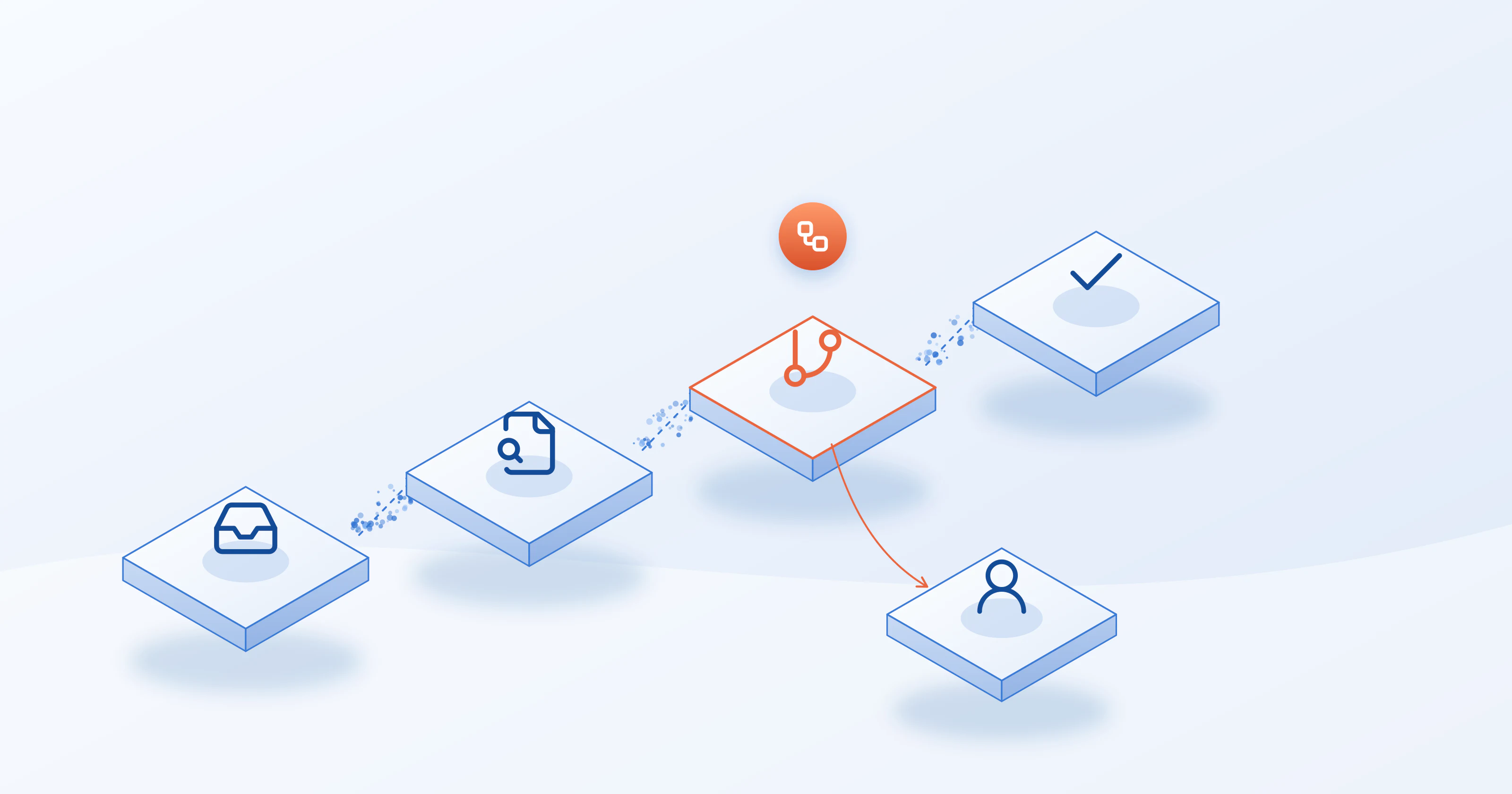
The short answer
Yes. Lenders can automate a large share of the lending workflow inside Salesforce: moving records through stages, ordering the credit report, checking it against policy, screening applicants, and logging the result. What stays manual is judgment: exceptions, referrals and the final call on a close file.
Good lending automation is not "no people." It is routing: the routine file moves on its own, and the unusual file lands in front of the right person with everything already on the record.
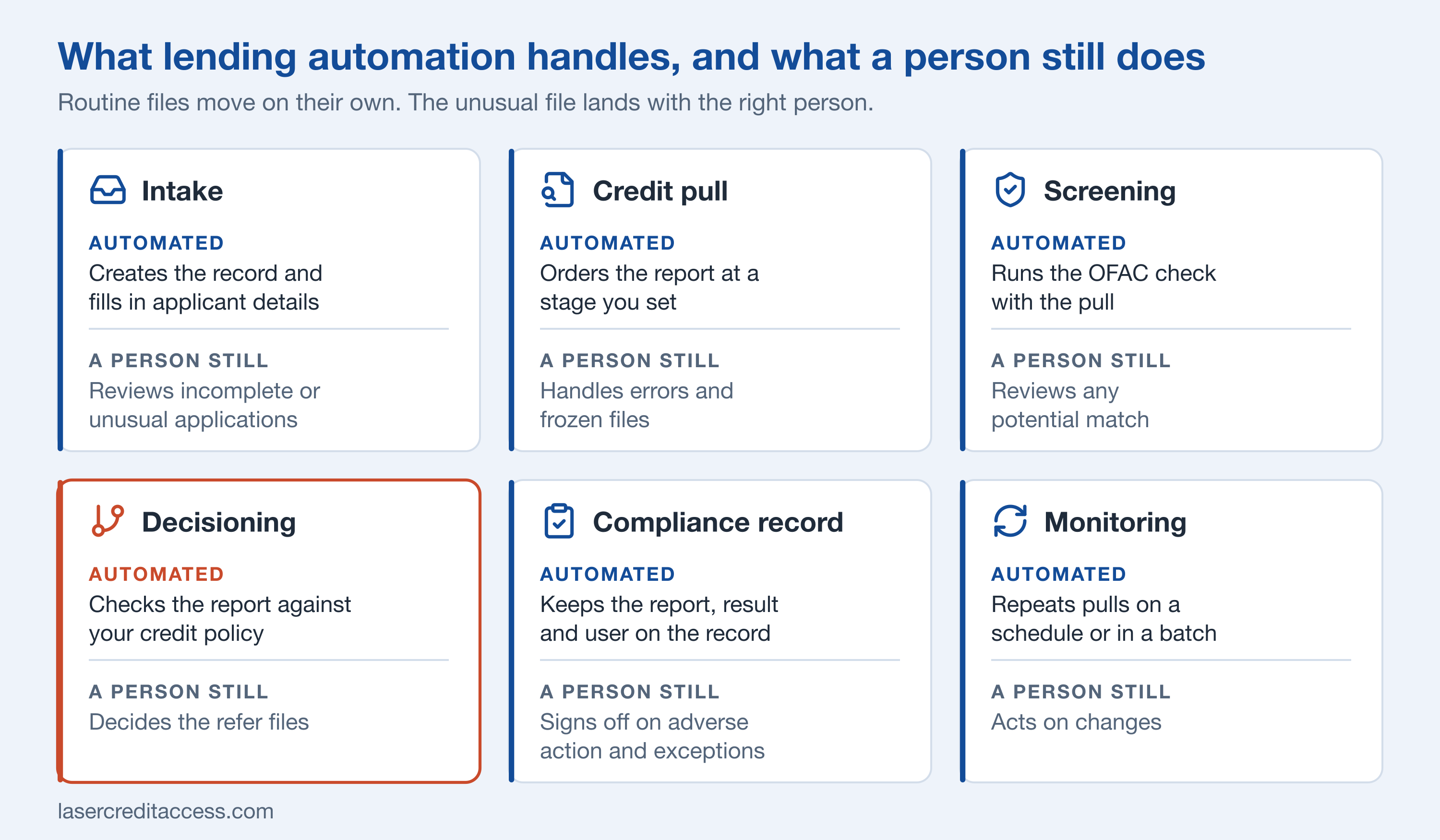
What you can automate
| Step | What automation does | What a person still does |
|---|---|---|
| Intake | Creates the record and fills in applicant details | Reviews incomplete or unusual applications |
| Credit pull | Orders the report when the record reaches a stage you set | Handles errors and frozen files |
| Screening | Runs an OFAC check with the pull | Reviews any potential match |
| Decisioning | Checks the report against your credit policy and returns approve, decline or refer | Decides the refer files |
| Compliance records | Keeps the report, the result and the user on the record | Signs off on adverse action and exceptions |
| Monitoring | Repeats the pull on a schedule or as a batch | Acts on changes |
Where the credit step fits
Credit is the step most lenders still do by hand: someone logs in to a bureau portal, runs the report, downloads a PDF and attaches it to the file. That is slow, and it leaves the data outside Salesforce where a rule cannot read it.
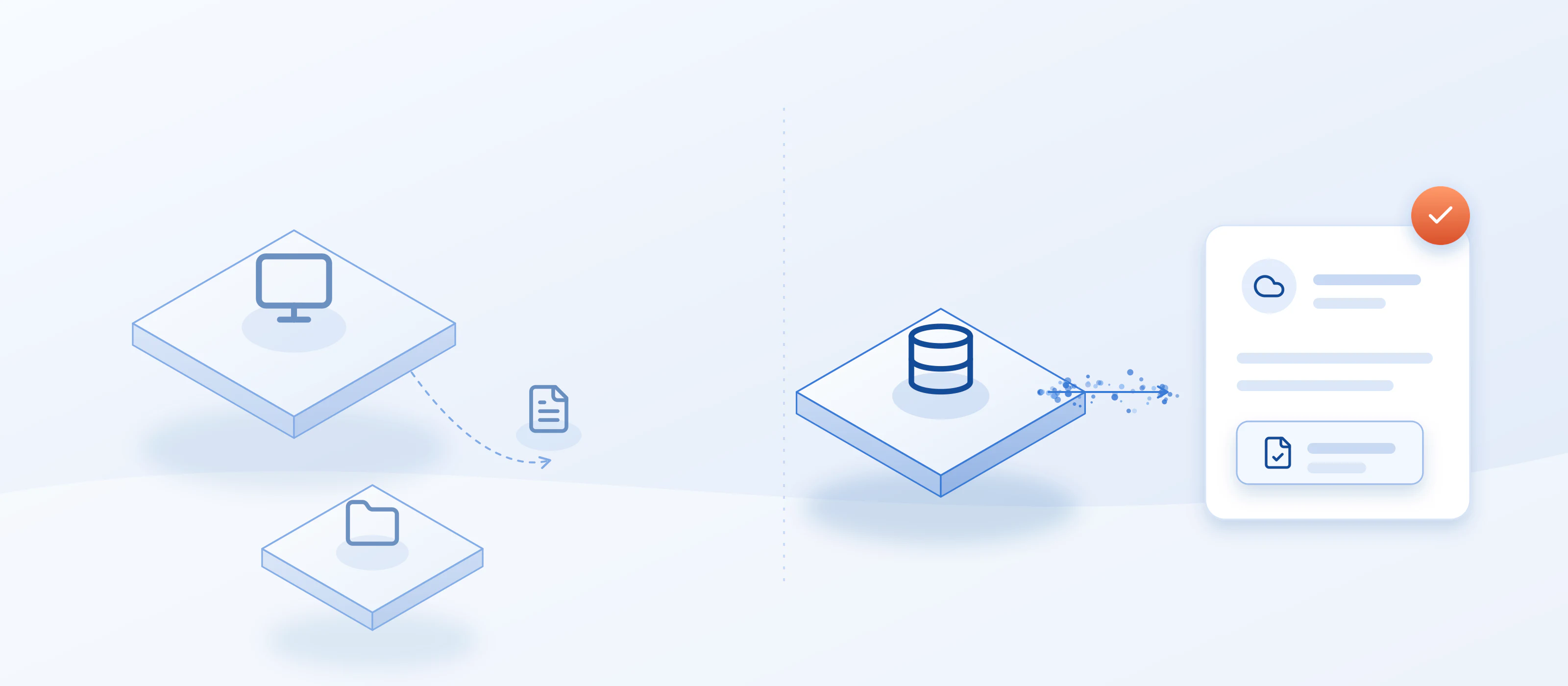
LASER Credit Access® runs the credit step inside Salesforce. It is not a loan origination system. It is the credit layer that works inside whichever Salesforce setup you use, whether that is Financial Services Cloud, an origination app from the AppExchange, or a custom build.
- Stage-based pulls. A Salesforce Flow can order the credit report when a record reaches a stage you choose, and loan officers can pull on demand with a button.
- Structured data, not just a PDF. The report is parsed into Salesforce objects so rules and reports can read it, and the PDF attaches to the record.
- Screening with the pull. An OFAC check can run when the report is requested, or the credit pull can wait until the check finds no match.
- Repeat pulls. Schedule a refresh every 3, 6 or 12 months, or run a batch review across many records.
- Duplicate control. A reuse window stops the same report from being ordered twice.
For the decision itself, LASER DECIDE checks the report against your credit policy on the same record. To see the difference between a score and a decision, read what is credit decisioning.
How to start
Each step should leave a record a person can inspect. Automation you cannot audit is a risk, not a saving.
Related reading
- Credit reports, decisioning and compliance inside Salesforce
- Loan management software in Salesforce: the 2026 lending outlook
To see an automated credit step on a live Salesforce record, book a demo.