
The short answer
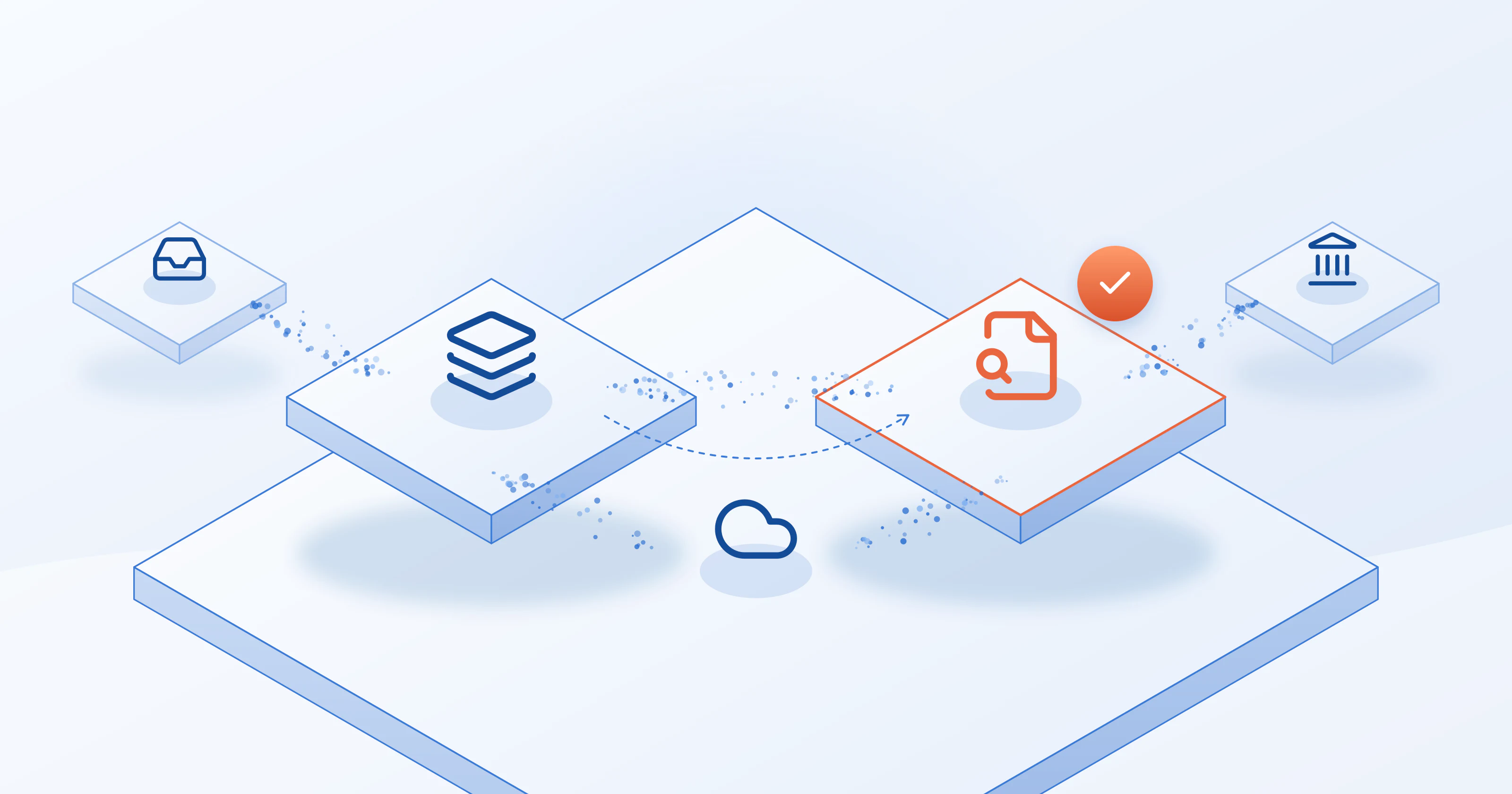
nCino is a loan origination system that runs on the Salesforce platform. LASER Credit Access® is not a loan origination system: it is the credit layer that runs inside a Salesforce LOS. The two do different jobs on the same platform, so the useful question is not "which one" but "which step does each one own."
How nCino relates to Salesforce
Lenders often search the two names together because nCino's platform is built on the Salesforce platform. nCino is a separate company from Salesforce, and its product manages the loan from application through documents, approval, closing and funding. If your team already works in Salesforce, that shared foundation is a large part of the appeal.
Check the current details with nCino and with Salesforce before you make a decision. Products and partnerships change, and your own vendor can describe them best.
What a loan origination system owns
A loan origination system (LOS) holds the borrower and loan record and moves the file between steps. In most institutions that means intake, document collection, approvals, closing and funding. Servicing after funding usually sits in a separate system.
What a credit layer owns
Credit is where many origination projects slow down. If the credit report arrives as a PDF, someone has to read it, key in the numbers and file it. Decisions then depend on that manual step, and the compliance record depends on someone remembering to write it down.
LASER Credit Access is the Salesforce-native credit platform for lenders: access, decide and comply without leaving Salesforce. As a credit layer it does three things on the loan record the LOS already uses:
- ACCESS: Unified bureau and financial data from every major source, inside Salesforce.
- DECIDE: Consistent, auditable credit decisions. Identical loans, scored identically.
- COMPLY: Permissible purpose, KYC, AML, OFAC and adverse-action safeguards, with every pull tied to the loan record, the requesting user and the reason for the request.
Intake, documents, closing, funding and servicing stay with your LOS.
Compliance starts before the credit pull
Adverse action is the step most teams think of, but the Fair Credit Reporting Act sets a requirement before that: you need a permissible purpose for every credit report you pull. Under 15 U.S.C. §1681b(f), a lender may not obtain a consumer report unless it has a permissible purpose and has certified that purpose to the credit bureau, as required by §1681e.
| Pull type | Statutory authority | Required permissible purpose | Essential documentation |
|---|---|---|---|
| New consumer application | 15 U.S.C. § 1681b(a)(3)(A) | Credit transaction initiated by the consumer. | Signed or digital credit application on file prior to the pull. |
| Prequalification (soft pull) | 15 U.S.C. § 1681b(a)(2) | Consumer-initiated request for credit evaluation prior to formal application. | Express written consent (for example, an electronic authorization checkbox or signed form) before the pull. No firm offer required. |
| Prescreening (outbound offers) | 15 U.S.C. § 1681b(c) | Unsolicited marketing selection for a firm offer of credit or insurance. | Bureau prescreen agreement, strict eligibility criteria, opt-out disclosure, and a guaranteed firm offer of credit. |
| Existing borrower review | 15 U.S.C. § 1681b(a)(3)(A) or (a)(3)(F)(ii) | Review or collection of an existing account to determine ongoing creditworthiness. | Active, open credit account or ongoing monetary obligation at the time of the pull. |
| Commercial loan (personal guarantor) | 15 U.S.C. § 1681b(a)(2) or (a)(3)(F) | Legitimate business need where the guarantor is personally liable for the obligation. | Signed personal guaranty establishing personal liability, or explicit written authorization before the pull. |
The stakes are specific. Willful violations carry actual or statutory damages of $100 to $1,000 per consumer, plus punitive damages and attorney's fees (§1681n). Obtaining a report under false pretenses can also bring criminal penalties (§1681q). Bureaus audit subscribers against these rules, and a pull with no documented purpose is hard to defend after the fact.
Commercial lenders feel this most. When a small business loan carries a personal guarantee, pulling the guarantor's report is a consumer report pull. We cover this in the personal guarantor compliance trap.
So what? When every pull is tied to the loan record, the user who ran it and the reason it was run, your answer to a bureau audit or your compliance team is already sitting on the record. Nobody has to rebuild it from emails.
The two layers side by side
| Loan origination system | Credit layer | |
|---|---|---|
| Main job | Manages the loan from application to funding | Pulls and evaluates credit, supports the compliance record |
| Typical owner | Lending operations | Credit, risk and compliance |
| What your compliance team asks about | Process and file completeness | Why each report was pulled, how the decision was made, and how it was documented |
| Where the data should live | On the Salesforce loan record | On the same Salesforce loan record |
How the two work on one loan file
Picture one loan moving through a Salesforce LOS. The borrower applies and uploads documents, and the LOS routes the file from step to step. Before any credit pull, your team confirms it has a permissible purpose. When the file reaches credit, the credit layer takes over that one job: it pulls the report, brings the bureau data onto the loan record, applies your policy and shows how the decision was reached. If the answer is a decline, your team still owes the applicant an adverse action notice, and the record should show it. Then the file goes back to the LOS for closing and funding.
The point is the handoff. The LOS never has to become a credit system, and the credit layer never has to become an origination system. Each does its own job on the same record, so nobody re-keys a number or chases a PDF.
Who should look at which
- Your biggest pain is moving loans from application to funding. Start with the loan origination system. It is the layer built for intake, documents, approvals, closing and funding.
- Your biggest pain is credit. If reports arrive as PDFs, decisions depend on manual keying, or the compliance record gets rebuilt after the fact, look at a credit layer.
- You feel both. Most lenders do. Choose the LOS for the loan, then confirm the credit layer works on the same Salesforce record without copying data between them.
- You are not sure. Ask each vendor to walk one of your real loan files from start to finish. The gaps show up quickly.
If you are still weighing the two, start with the file, not the feature list. Pick one loan from last quarter and trace it: where the application came in, where the credit report landed, who made the decision, and where the record shows why. Wherever the trail goes cold, or someone copies a number by hand, that is the step to fix first. Sometimes the answer is a better origination workflow. Sometimes it is a credit layer that gives the file one clear, consistent record. Often it is both, working on the same Salesforce record, each owning its own step. A short, honest walk through one real file will tell you more than any comparison chart.
What to ask before you choose
If you are comparing systems, the questions that matter are about the boundary between them:
Ask any vendor to show one of your real loan types, start to finish. Ask, too, whether you get the whole credit layer from one provider or have to put the pieces together yourself. LASER Credit Access gives you the complete credit layer from one provider: access, decide and comply without leaving Salesforce. For more on running that evaluation, see How to choose a loan origination system.
A note on trust
Consistency of Process: Identical Loans Scored Identically.
A clear line between what your origination system owns and what your credit layer owns makes the audit trail easier to explain, and easier to defend when your compliance team asks.